Half of whether a composite holds up gets decided on the shoot, not in post.
Most people assume compositing CGI into real footage is a post-production problem. It is mostly a shoot problem. By the time footage reaches me, roughly half of whether the result will hold up has already been decided on the day.
So it is worth understanding what happens in what order.
What gets decided on the shoot
Three things matter more than anything that happens afterwards.
Lighting
CGI elements have to be lit to match the scene, which means I need to know what the scene actually looked like. A quick HDRI capture on the day, or even reference photos of the space from a few angles, makes the difference between an element that sits in the shot and one that floats on top of it.
Mismatched light is the most common reason a composite reads as fake, and it is nearly impossible to fully fix later.
Camera movement
Digital tracking works by finding fixed points in the frame and following them. Handheld footage with motion blur and nothing static to lock onto is hard to track. A slow, deliberate move with some texture in frame is easy.
You do not need a motion control rig. You need the camera to move in a way software can follow.
Perspective
Scale reads through perspective. If the shot is at eye level and the CGI element is built as though viewed from slightly above, something feels wrong even when a viewer cannot say what. Knowing roughly where the element will sit before you shoot lets you frame for it.
What happens after
The CGI side is the part people picture: modelling, texturing, animating to match the environment. It is the longest phase but the least likely to go wrong, because it is fully under control.
Compositing is where the two halves meet. Colour gets matched, shadows get grounded, grain gets added back so the clean render sits in footage that has noise in it. That last step is small and does more than most of the work before it. A perfect render dropped into grainy footage looks pasted on, because it is too clean.
What this is actually good for
Product visualisation before manufacture, which is the common one. You can show something in use before it physically exists.
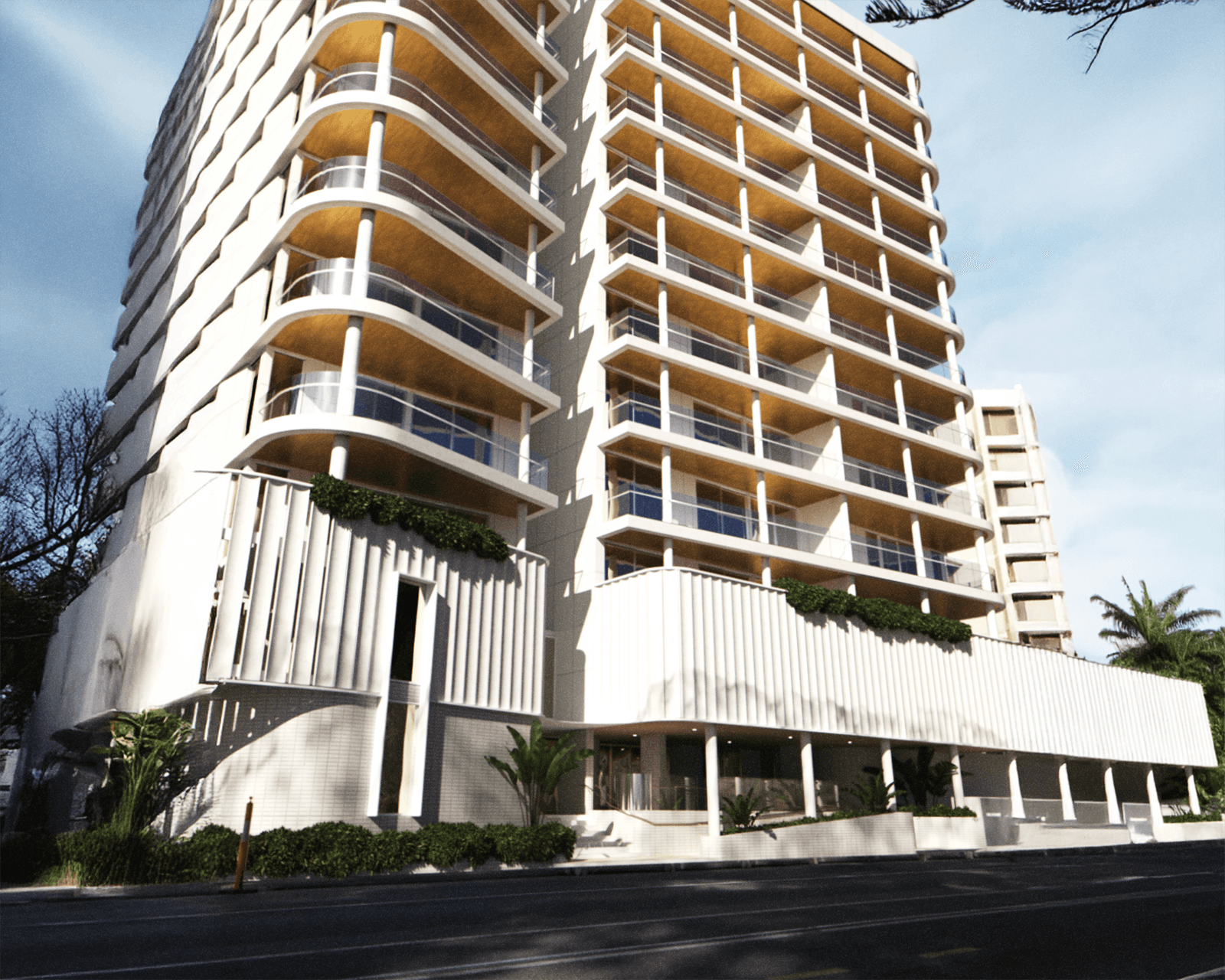
Architecture and property, where a building gets composited into footage of the real site. Buyers understand a space far better in context than in an isolated render.
Campaign work, where the point is a moment that could not have been filmed. This is where the technique earns its reputation.
The trade-off worth knowing
Mixed media is usually cheaper than the physical alternative, because you are not building a set or manufacturing a prototype. It is not cheaper than a straight video shoot, and anyone telling you otherwise is quoting for something simpler than what you asked for.
If your product exists, works well on camera, and photographs cleanly, film it. The technique is for when reality cannot give you the shot.